
Get Poured Wall Installation
Poured wall installation services help property owners create strong, durable foundation walls for basements, retaining walls, and other structural projects.
Poured wall installation is a practical solution for property owners looking to improve the stability and durability of their structures. Whether you're planning a new construction project, reinforcing existing foundations, or managing landscape modifications, understanding your options and finding experienced local contractors can make a significant difference. This service is often chosen for its strength, longevity, and versatility, making it a reliable choice for various property needs.
For those exploring their options in the area, comparing local service providers can help ensure the work meets your specific requirements. Many property owners consider poured walls to enhance basement integrity, support retaining walls, or manage grading challenges. Continuing to explore the available contractors can provide valuable insights into the best approaches for your project, helping you make informed decisions every step of the way.
- Residential Poured Wall Installation - needed when constructing or reinforcing basement walls and foundations.
- Commercial Poured Wall Services - required for building or upgrading structural walls in business or industrial properties.
- Retaining Wall Construction - necessary for managing soil erosion or creating level areas on sloped properties.
- Foundation Wall Repair - essential when addressing cracks, leaks, or stability issues in existing basement or foundation walls.
- Custom Poured Wall Projects - suitable for unique or specialized structural needs in residential or commercial construction.


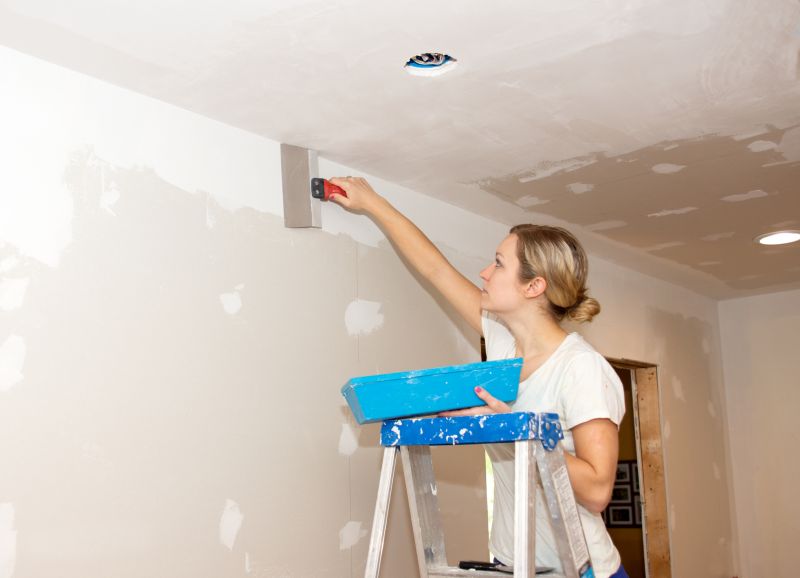
Poured wall installation involves creating sturdy, durable concrete walls that serve as foundations, retaining walls, or basement walls for various types of properties. This process typically starts with preparing the site, including excavation and forming the mold for the concrete. Once the forms are in place, concrete is poured into the molds and carefully finished to ensure a smooth, strong surface. The result is a seamless, reinforced wall that provides structural support and stability for residential or commercial properties.
This service is particularly valuable for addressing common foundation issues such as cracking, shifting, or settling that can compromise the integrity of a building. Poured walls help prevent soil erosion and water intrusion, which can lead to basement flooding or structural damage over time. They are also effective for creating retaining walls that hold back soil on sloped properties, preventing landslides or erosion. By installing or repairing poured walls, property owners can enhance the safety and longevity of their structures.
Properties that often utilize poured wall installation include homes with basements, commercial buildings, retaining walls for landscaping, and properties located on uneven or sloped terrain. This service is suitable for both new construction projects and renovation efforts aimed at reinforcing existing foundations. Homeowners experiencing issues like cracks in basement walls or water leaks may find poured wall repairs or replacements to be a practical solution. Additionally, those looking to improve the stability of a hillside or create level outdoor spaces may consider poured retaining walls.
Choosing to work with experienced local contractors ensures that poured wall installation is handled with precision and attention to detail. These service providers are equipped to assess the specific needs of each property, recommend appropriate solutions, and execute the work efficiently. Whether installing new poured walls or repairing existing ones, property owners can rely on local pros to deliver durable results that support the long-term stability of their property. Contacting local contractors can help determine the best approach for each unique situation.
The overview below groups typical Poured Wall Installation projects into broad ranges so you can see how smaller, mid-sized, and larger jobs often compare in your area.
In many markets, a large share of routine jobs stays in the lower and middle ranges, while only a smaller percentage of projects moves into the highest bands when the work is more complex or site conditions are harder than average.
Smaller Repairs - Typical costs for minor poured wall repairs, such as patching or sealing, generally range from $250-$600. Many routine jobs fall within this middle range, depending on the extent of the work needed.
Standard Installation - Installing new poured walls for a basement or foundation usually costs between $3,000 and $8,000. Most projects in this category tend to land in the mid to upper part of this range, with fewer reaching higher amounts.
Full Wall Replacement - Replacing entire poured wall sections can range from $10,000 to $20,000 or more, especially for larger or more complex projects. These higher costs are less common but are handled by experienced local contractors.
Large-Scale Projects - Large or custom poured wall installations, such as for commercial buildings or extensive landscaping, can exceed $50,000. Such projects are less typical and involve specialized expertise and materials.
Actual totals will depend on details like access to the work area, the scope of the project, and the materials selected, so use these as general starting points rather than exact figures.
Foundation Wall Construction - local contractors skilled in building and reinforcing foundation walls utilize similar pouring techniques and planning as poured wall installation projects.
Retaining Wall Installation - professionals experienced in constructing retaining walls share expertise in site preparation, formwork, and concrete placement relevant to poured wall services.
Basement Wall Repair - repair specialists working on basement walls require knowledge of concrete pouring and structural support, paralleling poured wall installation skills.
Concrete Curbing and Edging - this type of work involves precise form-setting and pouring processes similar to those used in poured wall projects.
Structural Concrete Work - projects involving beams, columns, or slabs demand planning and skillsets comparable to those needed for poured wall construction.
Underground Utility Encasements - installing concrete encasements for utilities involves site prep and concrete pouring techniques akin to poured wall installation tasks.
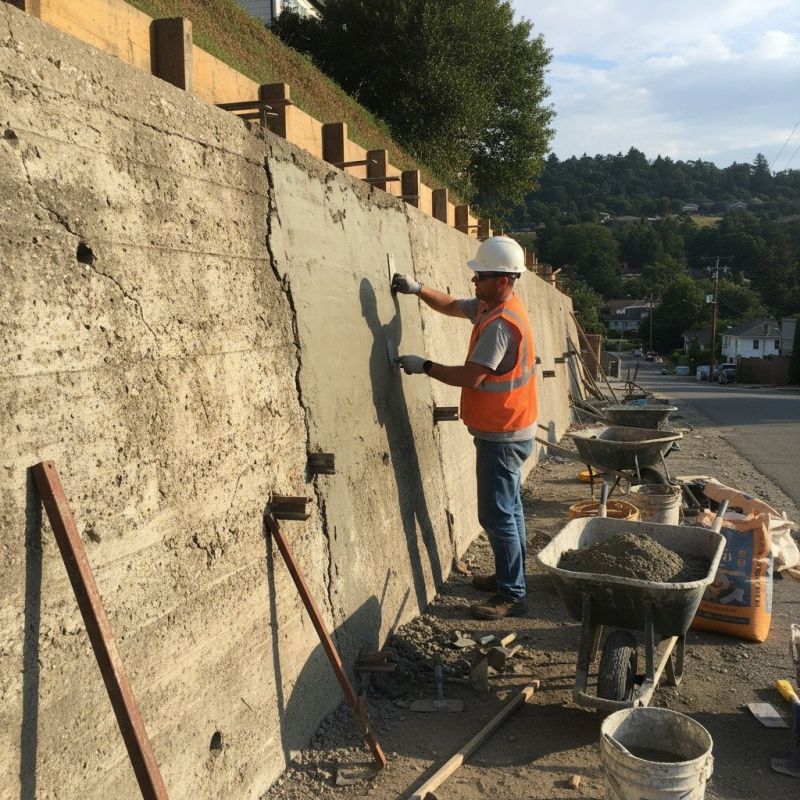
When comparing local contractors for poured wall installation, it’s important to consider their experience with similar projects. Homeowners should seek out service providers who have a proven track record in constructing poured concrete walls comparable in scope and complexity to their own. An experienced contractor will be familiar with the specific challenges and best practices associated with poured wall installation, which can contribute to a more reliable and durable result. Asking about previous work or requesting examples of completed projects can help gauge a contractor’s familiarity with this type of work.
Clear, written expectations are essential to ensure both parties understand the scope and details of the project. Homeowners should look for service providers who provide detailed proposals or written estimates that outline the work to be done, materials to be used, and any other relevant terms. This clarity helps prevent misunderstandings and provides a reference point throughout the project. Reputable local contractors are typically transparent about their process and willing to communicate specifics, making it easier to compare options objectively.
Good communication and reputable references are key indicators of a dependable service provider. Homeowners should prioritize contractors who are responsive and open to discussing project details, questions, or concerns. Additionally, requesting references from previous clients can provide insight into the contractor’s reliability, workmanship, and professionalism. Connecting with past customers can help gauge the overall experience and satisfaction, assisting in making an informed decision. It’s important to remember that the site introduces homeowners to local options and does not perform the work itself, but helps facilitate connections to qualified local service providers capable of handling poured wall installation projects.
Property owners use Poured Wall Installation services for practical projects around their homes and businesses. This guide focuses on everyday jobs and straightforward project options.
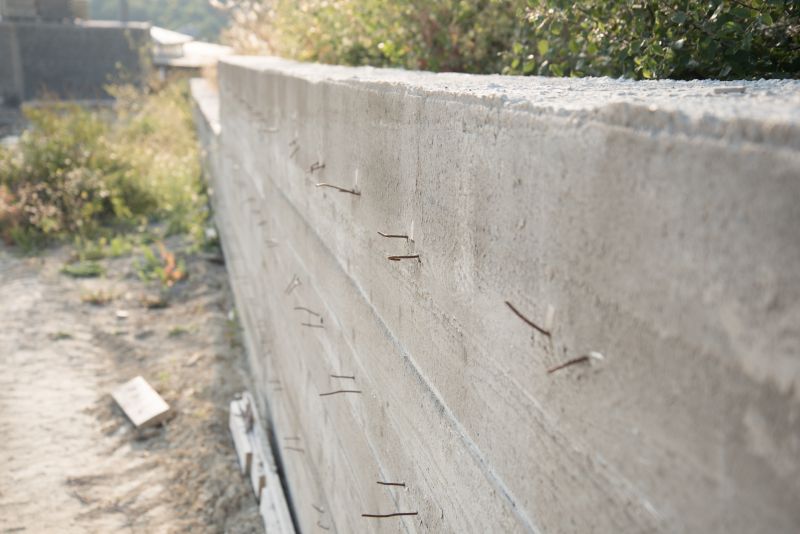
Poured wall installation is a common solution for property owners facing issues with retaining walls, foundation support, or landscape boundaries. Local contractors are often called upon to address concerns like soil erosion, shifting terrain, or the need for a sturdy barrier that can withstand the elements. Whether it's for a residential yard, commercial property, or landscaping project, many property owners seek out experienced service providers to ensure their walls are durable and properly built.
In addition to new construction, property owners may look for poured wall services when repairing or replacing existing structures that have become cracked or unstable over time. Local pros can help with projects that require precise craftsmanship to prevent future issues and improve the stability of a property. Connecting with knowledgeable contractors can make a difference in achieving a reliable, long-lasting wall that meets the specific needs of the property.
What are poured wall installations used for? Poured wall installations are commonly used for foundation walls, basement walls, retaining walls, and other structural needs around properties.
How do local contractors prepare for poured wall projects? Contractors typically assess the site, prepare the foundation area, set formwork, and ensure proper reinforcement before pouring the concrete.
What types of concrete are used in poured wall installation? Various concrete mixes can be used, including standard, high-strength, or specialized blends, depending on the project's requirements.
Are there specific considerations for different soil types? Yes, soil conditions can influence the foundation design and reinforcement needs, which local service providers evaluate during planning.
What finishes are available for poured walls? Finishes can include smooth, textured, or decorative surfaces, based on the desired aesthetic and functional needs.
Foundation Support - Property owners can reinforce or stabilize existing structures with poured walls to prevent shifting or settling.
Basement Waterproofing - Local contractors can install poured walls to create a waterproof barrier, helping to keep basements dry and usable.
Retaining Wall Construction - Poured walls can be used to build retaining walls that manage soil erosion and improve landscape stability.
Custom Wall Projects - Homeowners can work with service providers to design and install poured walls tailored to specific landscaping or structural needs.
If you are thinking about Poured Wall Installation for a property, this guide is meant to help you understand the work, the typical project types, and how different options might fit your plans.
When you are ready, you can use the quote form on this page to share a few details about your project. From there, local pros can review the basics and respond with options that match what you have in mind.