
Safety Features to Include in Concrete Walks and Steps
People seeking concrete walks and steps installation often want safety features to prevent slips and falls, which local contractors can incorporate during construction.
If you’re considering installing new concrete walks and steps, understanding the safety features to include can make a significant difference in the long run. Property owners in the area often explore this topic to ensure their outdoor spaces are secure, accessible, and durable. Proper safety measures not only help prevent accidents but also contribute to the overall value and usability of a property. Local contractors experienced in concrete installation can provide guidance on practical safety enhancements, such as slip-resistant surfaces, adequate lighting considerations, and proper edge treatments, helping to create outdoor features that are both functional and safe.
Exploring safety features to include in concrete walks and steps is an important step in planning for a secure outdoor environment. Many property owners seek out local service providers who understand how to incorporate these safety elements seamlessly into their projects. Whether it’s adding textured finishes for better traction or designing steps with appropriate riser heights and handrails, local contractors can help ensure that concrete features meet safety needs without sacrificing style. Keeping safety in mind during installation can lead to outdoor spaces that are more accessible and enjoyable for everyone.
- Concrete walks installation services are essential when designing pathways that prioritize slip resistance and stability for safety. Local contractors can incorporate textured finishes or non-slip coatings to reduce fall hazards. Steps installation services help improve accessibility and prevent accidents by adding proper handrails and step edges. Skilled service providers can also ensure proper slope and even surfaces to minimize tripping risks. Including safety features in concrete walks and steps is a key focus for local pros aiming to enhance overall safety.


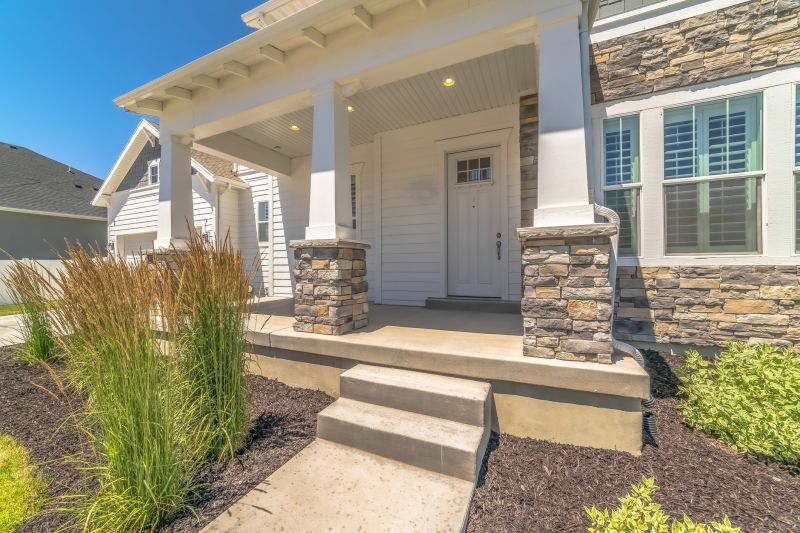
When homeowners search for safety features to include in concrete walks and steps, they often aim to improve the safety and accessibility of outdoor spaces. These searches typically relate to projects that involve replacing or upgrading existing walkways and steps, or installing new ones around homes, commercial properties, or public areas. Common concerns include preventing slips and falls, ensuring the surface remains even and stable, and making sure the steps are easy to navigate for all users, including children, seniors, or people with mobility challenges. Understanding these safety priorities helps homeowners plan for features that can reduce accident risks and create a more secure environment for family, visitors, or customers.
Many property owners consider safety features in the context of specific problems or future plans. For instance, uneven or cracked concrete can pose tripping hazards, especially when wet or icy conditions occur. Slippery surfaces may lead to falls, prompting the need for textured finishes or slip-resistant additives. Additionally, poorly lit or poorly marked steps can be difficult to see at night, increasing accident risks. When planning new concrete walks and steps, homeowners often want to incorporate features that address these issues proactively, such as textured surfaces, proper drainage, or visual cues like contrasting colors on edges. Local contractors experienced in concrete installation can help evaluate existing conditions and recommend safety enhancements tailored to each property’s unique layout and usage.
The types of properties where safety features in concrete walks and steps are most relevant tend to include residential homes, especially those with children or elderly residents, as well as commercial properties like storefronts, restaurants, or community centers. Public spaces such as parks, walkways along sidewalks, and institutional facilities also benefit from safety-conscious design. These properties often have high foot traffic or specific accessibility needs, making safety features essential for compliance and user confidence. Local service providers who specialize in concrete work understand the importance of integrating safety measures into their installations, whether through textured finishes, proper slope and drainage, or durable materials that withstand weather and wear over time.
Incorporating safety features into concrete walks and steps is a practical step that homeowners and property managers can take to enhance overall safety and accessibility. Features like non-slip surfaces, proper lighting, and clearly visible edges help prevent accidents and improve usability in all weather conditions. When considering these safety elements, it’s important to work with experienced local contractors who understand the best practices for concrete installation and safety compliance. They can assess the specific needs of a property, recommend suitable safety features, and ensure that the finished project not only looks good but also provides a safer environment for everyone. This approach ensures that safety considerations are seamlessly integrated into the overall design and durability of concrete walks and steps.
Concrete driveway projects - These projects often require careful planning of safety features to prevent slips and falls, similar to those needed for concrete walks and steps, and local contractors can incorporate appropriate safety measures.
Patio and outdoor living space installations - Installing safe, slip-resistant surfaces in patios shares techniques with concrete walk safety features, with local service providers able to ensure proper planning and execution.
Sidewalk repair and replacement services - Repairing and replacing damaged or uneven sidewalks involves similar safety considerations, with local contractors equipped to improve walking surface safety.
Staircase and ramp construction - Building safe stairs and ramps requires attention to slip resistance and stability, aligning with safety features to include in concrete steps, and local pros can handle these projects.
Parking lot paving and safety marking projects - Proper safety features such as marking and slip-resistant finishes are vital for parking lots, paralleling safety considerations for concrete walkways and steps, with local providers offering expertise.
Landscape retaining wall installations - These projects involve planning for safety around elevated surfaces, similar to safety features in concrete walks and steps, with local contractors capable of integrating safety measures effectively.

When evaluating service providers for concrete walks and steps installation, it is important to consider their experience with similar projects, especially those that involve safety features to include in concrete walks and steps. Contractors with a proven track record of completing comparable work are more likely to understand the specific safety considerations, such as slip-resistant surfaces, proper grading, and adequate lighting provisions. Asking for examples of past projects or references can help gauge a contractor’s familiarity with safety-focused installations and ensure they have the practical knowledge needed to meet safety expectations effectively.
Clear written expectations are essential when comparing local contractors for concrete walks and steps installation. A detailed scope of work that outlines the safety features to include in concrete walks and steps can help prevent misunderstandings and ensure the project aligns with safety standards. It’s beneficial to review any proposals or estimates carefully, paying attention to how safety considerations are addressed, and to seek clarification on any ambiguous points. This transparency allows homeowners to assess whether the contractor’s approach matches their safety priorities and project needs.
Reputable references and good communication are key indicators of a reliable service provider. Speaking with previous clients or reading reviews can provide insights into how well a contractor communicates, especially regarding safety features and project updates. Contractors who are responsive and willing to discuss safety concerns demonstrate a commitment to client satisfaction and safety standards. Effective communication ensures that safety features to include in concrete walks and steps are clearly understood and properly implemented, reducing the likelihood of issues during or after installation.
Property owners often search for safety features to include in concrete walks and steps when they are planning practical projects around their homes and businesses. Local pros provide Concrete Walks and Steps Installation services for everyday jobs and straightforward project options.

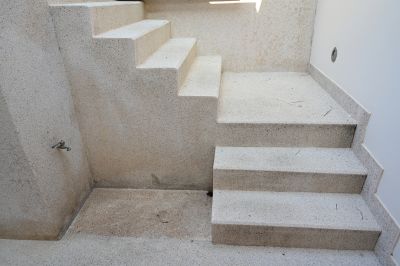
In everyday situations around the neighborhood, property owners often seek to enhance safety when installing or upgrading concrete walks and steps. Features such as textured surfaces or slip-resistant finishes can help prevent accidents, especially during rainy or icy conditions. Additionally, proper lighting considerations and visible edge markings contribute to safer navigation, making it easier for family members, visitors, and delivery personnel to move confidently along walkways and stairs. Local contractors experienced in concrete installation can incorporate these safety features seamlessly, ensuring that outdoor pathways are both functional and secure for daily use.
Many property owners also look into incorporating safety features like gentle slope transitions and well-placed handrails into their concrete steps and walks. These elements are especially important for households with children, seniors, or individuals with mobility challenges. When considering concrete walks and steps installation, local service providers can advise on suitable safety enhancements tailored to the specific property layout and local climate conditions. Connecting with experienced contractors can help ensure that safety features are integrated effectively, providing peace of mind for those who want durable, secure outdoor surfaces.
What safety features should be included in concrete walks and steps? Features such as slip-resistant surfaces, proper lighting, and textured finishes help improve safety in concrete walks and steps, and local contractors can incorporate these during installation.
How can I ensure my concrete steps are safe to use? Including handrails, non-slip treads, and adequate step height and depth are key safety features, and local service providers can install these to enhance safety.
Are textured surfaces important for safety in concrete walkways? Yes, textured surfaces like broom finishes or stamped patterns provide better traction, reducing the risk of slips and falls, with local pros able to add these features.
What role does lighting play in the safety of concrete steps and walks? Proper lighting improves visibility, especially at night, making safety features like illuminated pathways or step lighting an important consideration for local contractors.
Can safety features be added after the initial concrete installation? Some safety features, such as handrails or textured finishes, can be added later by local pros to improve safety without needing complete reconstruction.
Non-slip surfaces - Incorporating textured finishes or adding slip-resistant coatings can help prevent falls on concrete walks and steps, especially in wet conditions, with the help of local contractors.
Proper lighting considerations - Installing adequate lighting along pathways and staircases enhances visibility at night, making safety features more effective and accessible through local service providers.
Handrails and guardrails - Including sturdy handrails on steps and along walkways provides support and stability, which local pros can expertly install to improve safety for all users.
Edge and step markings - Applying contrasting colors or markings on edges and steps increases visibility, helping to reduce trip hazards with the assistance of experienced concrete installation specialists.
If you are thinking about safety features to include in concrete walks and steps for a property, this guide is meant to help you understand this topic, the typical project types, and how different options might fit your plans.
When you are ready, you can use the quote form on this page to share a few details about your project. From there, local pros can review the basics and follow up with options that match what you have in mind.